
Peter Price Logo

Latest News

Strategies for Effective Debt Recovery for Small Businesses

When invoices for goods and services go unpaid, it can significantly impact your business’s profitability and cash flow.

.

Whether due to unforeseen circumstances, unemployment or dissatisfaction with service, clients may fall behind on payments, posing challenges to revenue collection. To mitigate these risks, you can establish proactive measures for managing payments and recovering debt. This entails having clear steps in place from the moment of invoicing and comprehensively understanding the follow-up process for outstanding payments. This article will explore effective strategies for your small business to proactively manage debt recovery and safeguard financial stability.

Initial Information

Obtaining initial information and performing background checks on customers before conducting business with them is crucial. This helps prevent bad debts and protects your business interests. The table below outlines key information and research you should undertake.

Research Area Explanation
ASIC search Completing an ASIC search on the ASIC register can help you determine whether the company is in liquidation or deregistered. This can help you gauge the company’s financial stability and legitimacy.
Credit Reports Obtain business and personal credit reports to gain insight into the creditworthiness of your potential customers. These reports can provide valuable information about their credit history, payment behaviour, and financial health. 
Information sheet for clients Provide clients with an information sheet to gather essential details that can help you assess their creditworthiness and facilitate debt recovery if necessary. These details include their entity name and ABN/ACN, postal and email address, mobile number, full name and alternative contracts in case of communication issues.

Terms and Agreements

Clear payment terms in contracts and agreements are essential for your small business. These terms should include payment deadlines, proportionate late fees, and what happens if payment is late. It is important to regularly check contract terms to know when payments are due and to monitor payments closely. One way you can do this is by diarising when payments are about to be overdue to ensure you do not miss any payments. 

Ensure you get everything in writing and signed to avoid misunderstandings. For example, you may provide your client with terms and conditions that you require to be signed. Importantly, you should receive a signed copy before commencing or providing any goods or services. 

Taking these precautions can help to ensure you get paid on time and handle any payment issues effectively.

Invoicing 

As a small business owner, you can try and ensure smooth financial transactions and minimise debt risks by employing invoicing strategies. Some key strategies include:

  1. Depending on your terms and conditions, you may be able to ensure customers settle their invoices before goods or services are delivered or performed. This can prompt customers to pay on time. 
  2. Simplifying payment options for customers’ convenience and clarity.
  3. Sending out invoices to customers prompts them to encourage payments. Implementing this can encourage customers not to forget a payment.
  4. Encouraging timely payments by offering extra incentives to customers for instant or early payments. By securing payments sooner, you can improve your cash flow and reduce the need for debt recovery strategies.

Communication and Documentation

Maintaining effective communication and documentation is crucial for debt recovery when managing customers’ overdue payments. Below are relevant steps for communicating with customers successfully. 

Steps for Effective Communication

  1. Initiate discussion: Start with a friendly reminder, either via phone or email, to prompt action from the customer. Importantly, this reminds them of the outstanding payment and may resolve the issue promptly. In addition, document all communication for future reference and consider sending a follow-up email after any phone calls.
  2. Send an overdue reminder: If the friendly reminder does not result in payment, this will reiterate the urgency of the situation. You can also reference previous attempts to collect payment. This step reinforces the importance of timely payment and signals escalating consequences if ignored.
  3. Provide a final notice: If the issue persists despite reminders, send a final notice emphasising the seriousness of the matter and the consequences of continued non-payment. Clearly outline the steps you have taken to resolve the issue and remind them of the terms and conditions of your agreement.
  4. Consider a formal letter of demand: This formal communication underscores your commitment to resolving the matter, but you should first seek advice from a debt recovery professional. By employing these strategies, you can effectively manage overdue payments and minimise the impact on cash flow.

Personalised Debt Recovery Process

Developing a clear debt recovery process does not have to be complicated, but it can be essential for safeguarding your cash flow. Depending on your internal systems, you could automate initial reminders to customers. However, you can manually monitor payment dates and conduct internal reminders yourself. Regardless, creating a checklist with defined steps and timelines can encourage and ensure you have a structured approach to debt collection. 

Consider assigning a dedicated debt collector to oversee past due accounts. This individual can take ownership of the entire debt recovery process, ensuring accountability and preventing any accounts from slipping through the cracks. Having one person responsible for debt collection streamlines communication and facilitates consistent follow-up, increasing the likelihood of successful debt recovery. 

Key Takeaways

Debt recovery for unpaid invoices can strain profitability and cash flow. Implementing proactive debt recovery strategies is essential for small businesses. Proactive accounting practices can help you manage payments, reducing the need for reactive debt recovery efforts. Ensuring you have clear steps for invoicing and following up on overdue payments are crucial for successful debt recovery.


Madison Cali
January 27 2026
legalvision.com.au
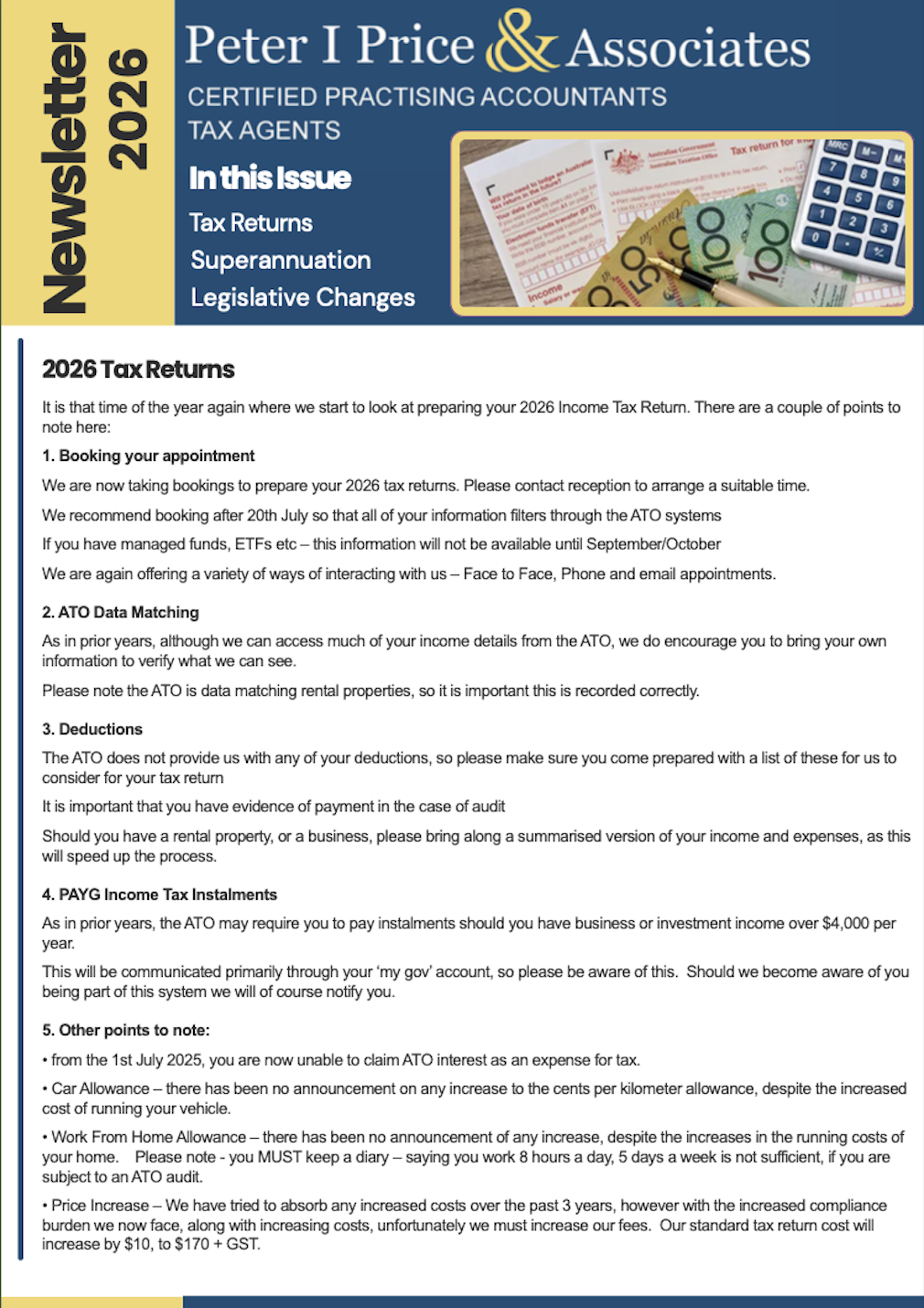
Hot Issues

Tax

  • Individual, Sole Trader and Company Tax Returns
  • Partnership and Trust Tax returns
  • Annual Reporting
  • Business and Tax Advisory Services
  • Management of ATO Correspondence
  • Self-Managed Superannuation Funds tax returns
  • Investment properties - tax and negative gearing
  • HELP (higher education loans) debts
  • Estate Returns and Financial Statements
  • Interim Management Accounts and Reporting
  • Testamentary Trusts
  • Tax effective business structures
  • GST Advice
  • Capital Gains Tax Advice
  • Taxation Audit Advice
  • Fringe Benefit Tax
  • Liaise with the ATO on your behalf
Contact Us

SMSF

  • The setting up of a SMSF and all administration tasks such as preparation of your trust deed and the completion and lodgement of relevant ATO statements.
  • Ensuring your SMSF is compliant with current superannuation laws and regulations
  • Appointment of Trustees
  • Arrange the Audit of your SMSF
  • Preparation of financial statements
  • Lodgement of tax returns
Contact Us

Business Accounting

  • Accounting and bookkeeping
  • Accounting software advice and assistance
  • Business & company tax returns
  • Statutory Account
  • Management Accounts
  • Taxation – GST & PAYG advice, BAS preparation
  • Liaise with the ATO on your behalf
  • Tax Audit advice
  • Business ‘start up’ advice
  • Prepare Business plans and financial budgets and review these regularly
  • Measure your performance against industry benchmarks
  • Trust & company structures
  • Queensland Building & Construction Commission reviews
Contact Us

Tax & Accounting Consultancy

  • Strategic advice to managers about the financial implications of projects
  • Development and Monitoring of KPI's
  • KPI reporting
  • Explaining the financial consequences of business decisions
  • Formulating business budgets and business plans and strategies
  • Monitoring spending, financial control and Cashflow projection
  • Conducting internal business audits
  • Monthly/quarterly management reports
  • Product costing reviews.
Contact Us

Business Advisory

  • Business takeovers
  • Valuation of business
  • Due diligence reports
  • Due diligence services
  • Business risk profiles
  • Specialist Tax advice
  • Tax planning
Contact Us

Corporate Compliance

  • The formation of trusts and new company registrations
  • Preparation of annual company statements
  • Attending to ASIC returns and regular filings on your behalf
  • Filing of any company changes or change of directors
  • Business name registrations and maintenance
  • Renewal of business name/s and other registrations
  • Share allotments/transfers/buy-backs
  • Unit Trusts and allotment/transfer of units and change of Trustee
  • Family Trust set up and change of Trustees
  • Provision of registered office services for service of notices
Contact Us

Tax Diary

General Calculators


Accounting Videos

Tax Deductions

Documents & Forms

Please click the links below to download.

Downloadable data forms to help you maximise your return

Latest Newsletter

2025 EOFY Newsletter

Secure File Transfer

Secure File Transfer is a facility that allows the safe and secure exchange of confidential files or documents between you and us.

Email is very convenient in our business world, there is no doubting that. However email messages and attachments can be intercepted by third parties, putting your privacy and identity at risk if used to send confidential files or documents. Secure File Transfer eliminates this risk.

Login to Secure File Transfer, or contact us if you require a username and password.

Disclaimer

Information provided on this web site is general in nature and does not constitute financial advice.

Peter Price & Associates has taken reasonable care in providing this information, unless expressly stated, it should not be construed as being specific to your investment objectives, financial situation or particular needs.

Peter Price & Associates will endeavour to update the web site as needed. However, information can change without notice and Peter Price & Associates does not guarantee the accuracy of information on the web site, including information provided by third parties, at any particular time.

This information is prepared for residents of Australia only. Any currency references are references to Australian dollars unless otherwise specified.

Unless otherwise specified, copyright of information provided on this web site is owned by Peter Price & Associates. You may not alter or modify this information in any way, including the removal of this copyright notice.

This web site does not offer securities or other financial products, nor does it invite subscriptions for securities or other financial products to any person outside Australia. Peter Price & Associates does not guarantee the repayment of capital or any particular return from, or any increase in, the value of any Peter Price & Associates products unless otherwise expressly agreed.

Further, Peter Price & Associates disclaims any liability for loss, damage, cost or other expense which you may incur as a result of any information provided on this web site, to the extent that such liability is not excluded by law.

Terms of Payment

Peter Price & Associates Pty Ltd adopts a strict 14 day payment term for all accounts rendered. Full payment of fees must be made 14 days from date of each invoice, unless otherwise agreed upon by Peter Price & Associates Pty Ltd.

You have the options of paying by credit card (Master Card or Visa Card), cash, cheque, money order, direct credit, or we can deduct our fees from your ATO refund. Please contact us for account details if your choose to direct credit to our account, we can also accept credit card payments via phone.

In the event that your payment is late, to the extent permitted by law, interest and charges for late payment will begin to accrue after 30 days from the due date. Payment plans can be arranged to avoid disruption to services. Any costs incurred by debt collectors will be added to outstanding fees payable.